

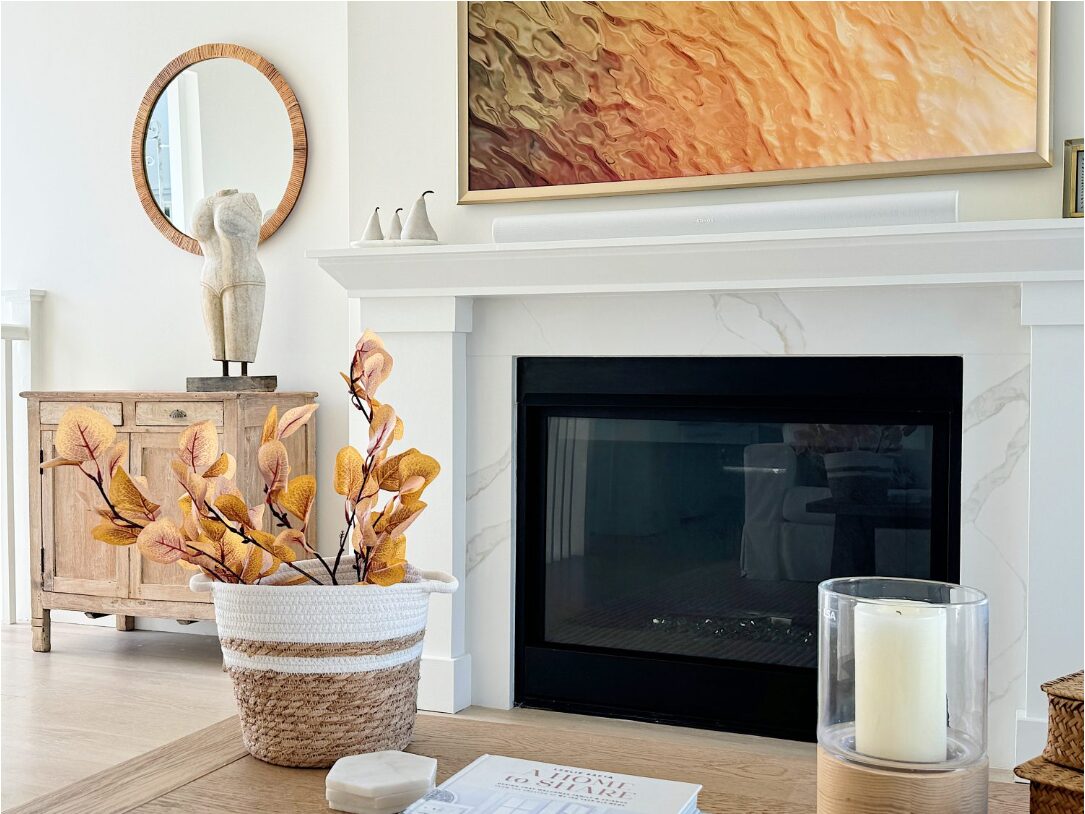
Home decor in 2026 will no longer emphasize a unified “style label,” but rather a comfort imbued with life.
More than chasing trends, people care about whether an item is aesthetically pleasing, functional, and can accompany them through genuine moments.
The popular items that emerged this year mostly share several common characteristics:
- A warm, textured, and substantial feel
- Visually understated yet timeless
- Ability to blend naturally with old items and keepsakes
1. The Return of Metal: Warm Bronze
The long-dominant brass and matte black have quietly given way to the more understated bronze.
Unlike mirrored metal, bronze possesses a slightly aged texture, sometimes leaning towards gold, sometimes a cool silver, as if it were born to belong to a “home that has been lived in for a while.”
In these corners, it’s most suitable:
- Lighting: Pendant lights, wall lamps, or table lamp bases add a soft filter to the light.
- Hardware: Cabinet door handles and doorknobs subtly enhance the texture in the details.
- Small items: Trays, bowls, candlesticks, gathered together like a small, silent sunset.
This metal is popular because it doesn’t look like mass-produced decorations, but rather like objects “chosen by time.”
2. Natural Fabrics: Bringing the Outdoor Breeze Indoors
People’s longing for nature ultimately manifests in materials. Rattan, willow, bamboo products, and various natural woven materials entered more homes in 2026.
Their existence isn’t about “style,” but about adding a touch of real touch and breathability to the home.
These items are particularly popular:
- Wicker armchairs and small side tables: placed by windows, on balconies, or in reading nooks.
- Woven storage baskets: serving as both storage tools and decorative accents in corners.
- Bamboo curtains or roller blinds: filtering sunlight and casting soft shadows.
When these natural materials are paired with greenery and cotton/linen fabrics, the space feels both tranquil and layered.
3. Everyday Objects Like Small Sculptures
This year, people have begun to take “decorative items” more seriously. Decoration is no longer just about filling empty spaces, but rather like setting up quiet little stages in the home.
Many decorative items have taken on a sculptural quality: smooth lines, abstract shapes, sometimes even without a clear purpose, yet perfectly suited to their place.
Common choices include:
- Full-bodied ceramic vases
- Small abstract portrait or bust sculptures
- Candlesticks with exaggerated proportions
- Irregularly shaped trays and dishes
They can stand alone or in groups of two or three, placed on fireplace mantels, entryway tables, or bookshelves, like an unfinished sentence, leaving some pause in the space.
4. Amber Gloss: Vintage Details with Tortoiseshell Texture
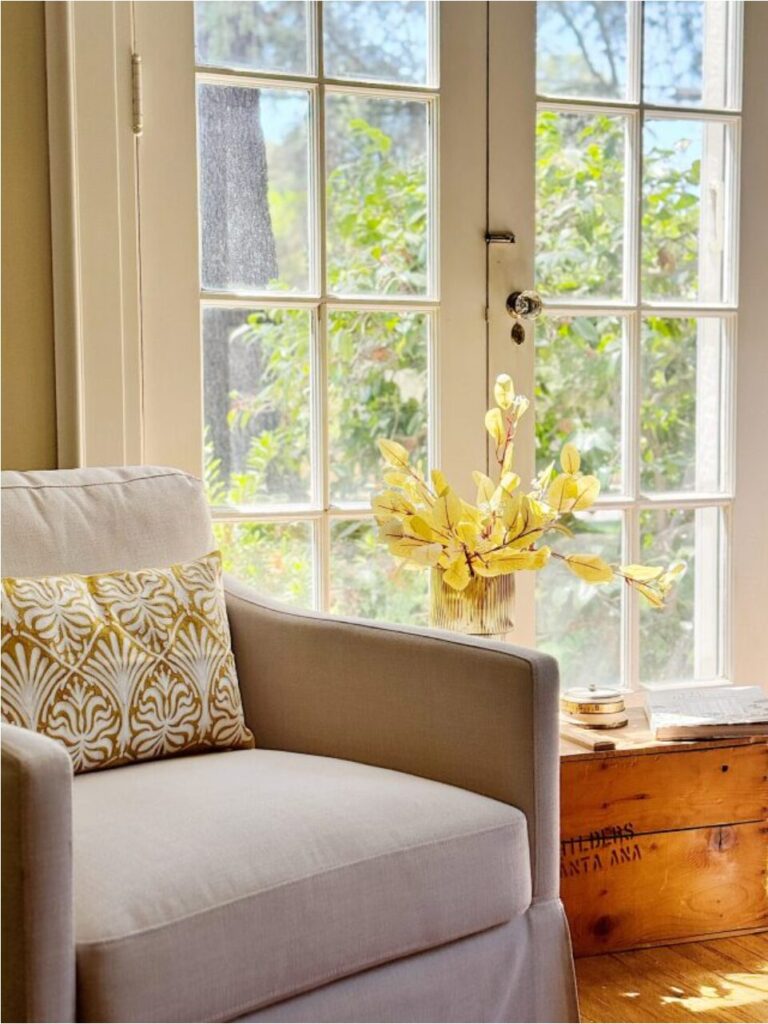
Tortoiseshell textures bring a vintage feel back into focus.
This material, with its varying shades of amber, possesses the elegance of a bygone era without appearing old-fashioned, making it perfect for small-scale accents.
It’s suitable for use in the following places:
- Trays and storage boxes: Placed on coffee tables or desks.
- Picture frames: Paired with black and white photos or old photographs.
- Table lamps and small decorative items: Placed in a corner of a study or living room.
When combined with wooden furniture and warm-colored fabrics, it creates a layered effect, like an old film slowly developing in a room.
5. “Modern Heritage”: A Home Narrative of Old and New Intertwined
A key trend in 2026 is the deliberate mixing of “new objects” and “old things.”
Restored wooden furniture, mirrors with mottled edges, and cushions made from old fabrics are all beginning to reappear in modern spaces.
This approach adds a sense of “continuity” to the home:
- Old wooden chests are repurposed as coffee tables.
- Mirrors bearing the marks of time replace flawless new ones.
- Fabrics or tablecloths inherited from ancestors become sofa covers or bed runners.
These items with a story behind them don’t need to be numerous; just one or two are enough to transform the atmosphere of a space.
6. Calm and Quiet Earth Tones
If bright, vibrant colors were popular in recent years, then the colors of 2026 are more like a soup simmered slowly in winter—seemingly understated, yet incredibly pleasing to the eye.
Dark browns, caramel oranges, olive greens, and warm beige and cream tones appear on various replaceable small items.
These colors often enter homes in the following ways:
- Cushions, blankets, sofa covers
- Lampshades, ceramic bowls and plates, trays
- Wall paintings, posters, or fabric decorations
Adding just one or two of these colors can subtly change the feel of a room—unobtrusive, yet impossible to ignore.
7. Layered Fabrics: Building Comfort
Comfort, this year, is embodied in layers of fabric. Soft blankets, fluffy yet textured cushions, and handcrafted rugs are piled up beside sofas, beds, or lounge chairs, instantly inviting you to sit down and relax.
Materials are mostly wool, mohair, and organic cotton, with neutral or warm colors.
Rather than “identical color schemes,” it encourages: different textures and textures that blend naturally together to create a comfortable and cozy atmosphere unforced spontaneity.
8. Soft Curves: Breaking Up Overly Sharp Lines
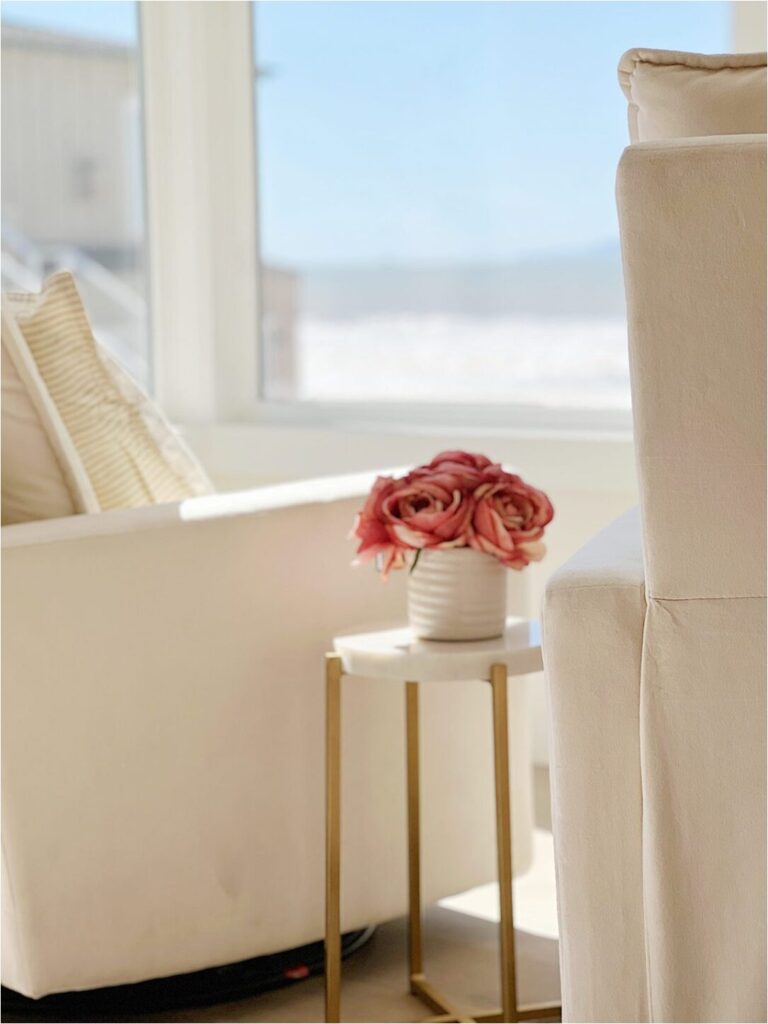
Straight lines and sharp angles have long dominated modern spaces, but since 2026, more curves and rounded edges have emerged.
Round coffee tables, curved armchairs, arched mirrors, and rounded storage shelves soften the visual appeal of a space.
These soft contours have two distinct effects:
- Make movement more natural, reducing the oppressive feeling of “bumping into furniture.”
- Visually neutralize hard lines, making the space feel more welcoming.
A round table or a curved-back chair can often soften an otherwise “overly sleek” room.
9. Large-Scale Wall Decorations: Let the Walls Speak
The old practice of hanging many small photos on one wall is being replaced by bolder choices.
People are starting to opt to hang only one or two significantly larger paintings, textiles, or specially framed pieces on a wall, drawing attention and making the subject clearer.
Common formats include:
- Large-framed photographs or abstract paintings
- Carefully framed textiles, vintage fabrics, and embroidery
- Designed “gallery walls,” showcasing a small but exquisite collection of works
These works are no longer just “aesthetically pleasing,” but often carry personal stories: paintings brought back from travels, works by friends and family, or a piece that instantly lifts one’s spirits.
10. Carefully Displayed Memories and Collections
Bookshelves, mantels, and open shelves are no longer just “storage space,” but display shelves that tell stories of life.
Old books, photos, trinkets, and travel souvenirs are deliberately arranged with gaps and staggered placement, allowing each item to “breathe.”
A warm and inviting display often features these elements:
- Books: a mix of horizontal and vertical arrangements
- Small sculptures, utensils, or candlesticks
- Picture frames and small paintings
- Small items and souvenirs with emotional significance
The focus is no longer on “filling the space,” but on “leaving blank space,” giving each item a reason to exist.
Turning Trends into Your Own Lifestyle Details
The 2026 home decor trends are more like gentle hints than a list to be copied verbatim.
No major renovations are needed. Start with a new roll of fabric, a curved vase, a small bronze tray, or a soft blanket, gradually making your home more comfortable and more like “yourself.”
The truly important question is: When an item is placed in your home, does it make you want to linger in that space?