

1. Where to Begin Searching for These “Hidden Assets”
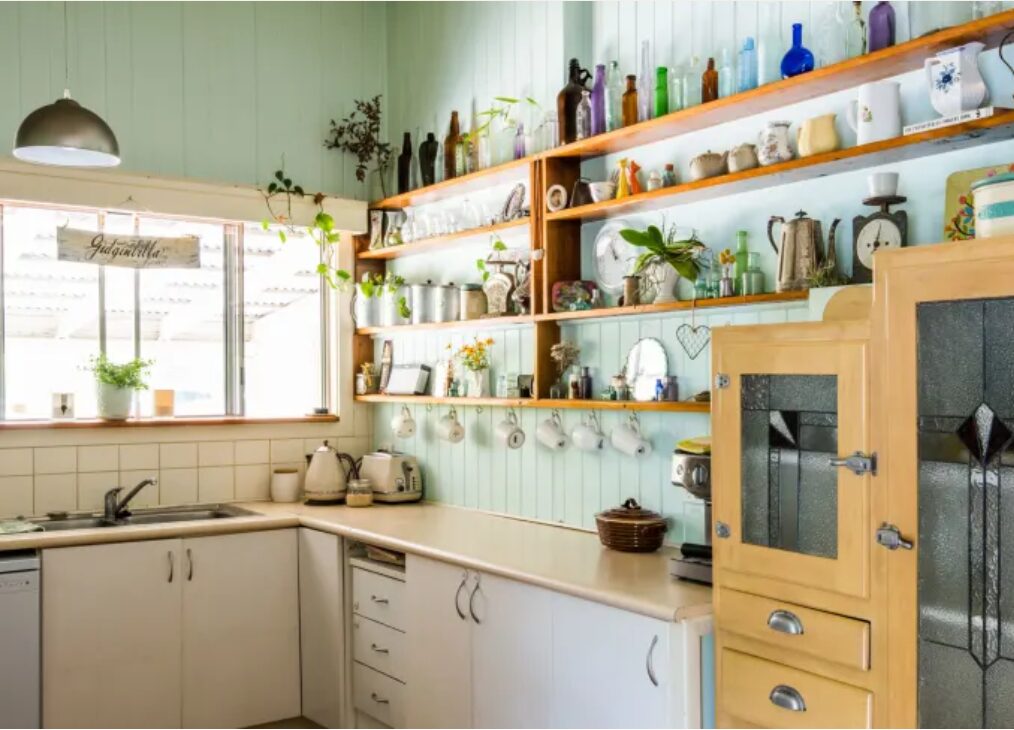
Grandma’s kitchen treasures are usually not displayed prominently, but scattered in the bottom of cabinets, deep in drawers, or in cardboard boxes in the attic.
Experts suggest starting with these places:
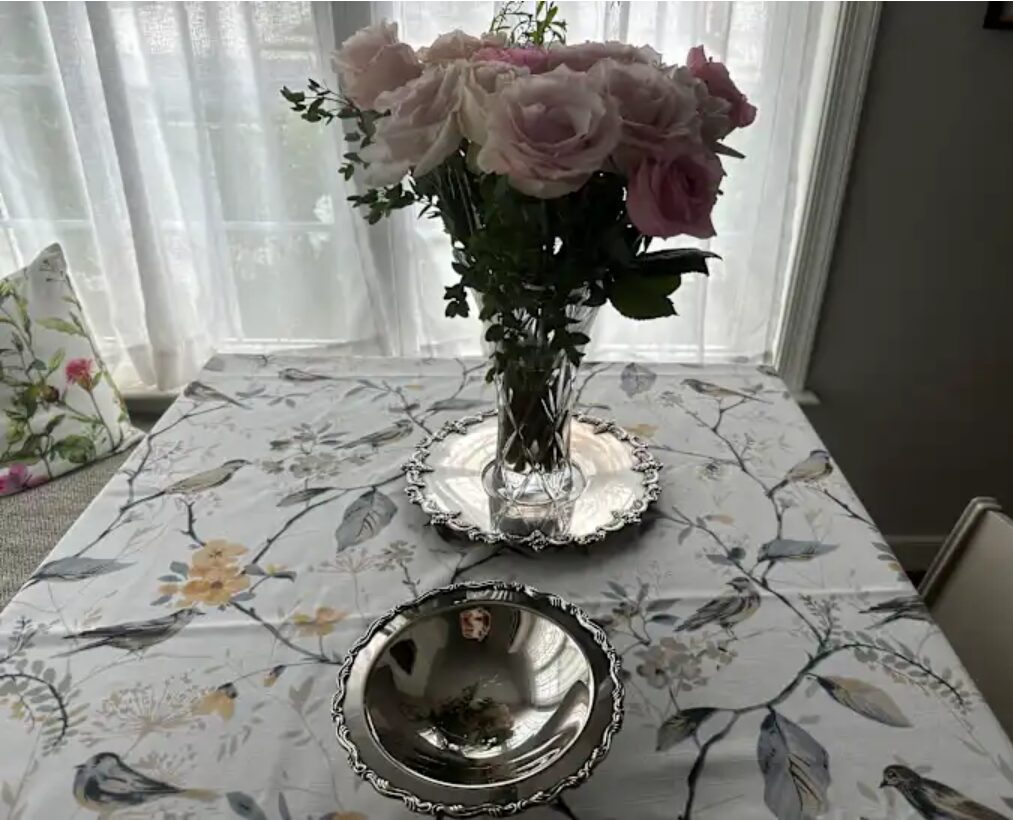
- Cutlery drawers: Silver or specially marked cutlery
- Storage cabinets: Stained glass bowls, cast iron pots, or brassware
- Bookshelves or cardboard boxes: Yellowed old cookbooks
- Corners or bottom shelves: Earthenware items, glass containers
The key is: Don’t rush to clean or donate them. Carefully examine the markings, patterns, and condition; these often determine their value.
2. Stainless Steel and Sterling Silver Cutlery: Goldmines in Holiday Sets
Many grandmothers carefully store away their cutlery used only on special occasions; these are often made of stainless steel or sterling silver.
In a five-piece cutlery set, teaspoons, salad forks, and dinner forks are often the most valuable collectibles because they are used frequently and wear out relatively little.
Popular brands include classic manufacturers with engravings on the back, such as Oneida, Reed & Barton, Dansk, and Towle.
A complete set of stainless steel or sterling silver cutlery can range in price from hundreds to thousands of dollars, and even individual pieces can be worth tens to hundreds of dollars.
Identification Tips: Check the back for manufacturer markings and whether it is sterling silver (not silver-plated). Complete sets in good condition are the most valuable.
3. Colorful Pyrex Bowls and Dishes: Obsessed Fans of Medieval Patterns
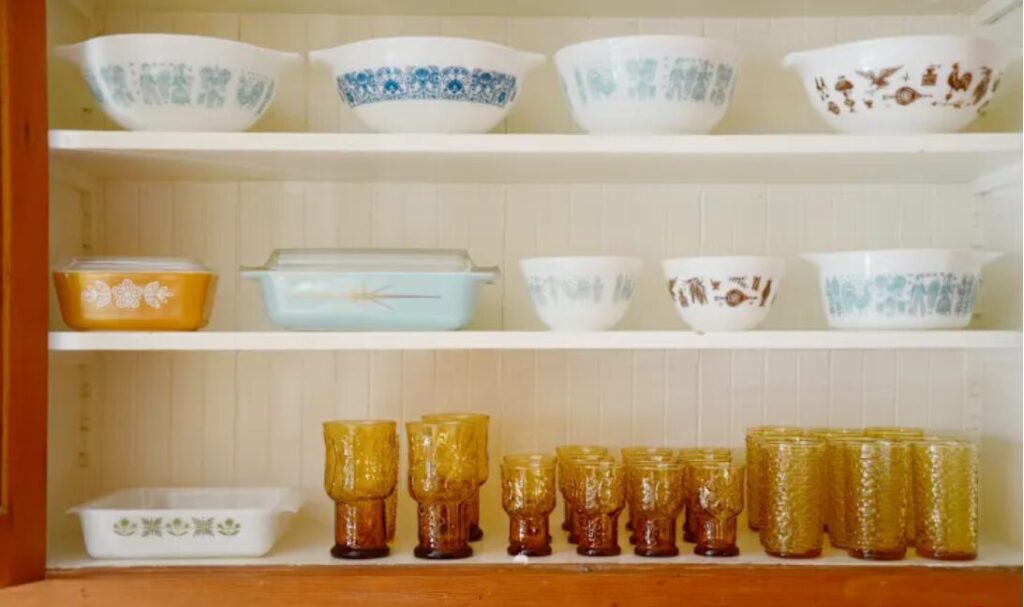
Almost every American grandmother’s kitchen has had a piece of Pyrex—those colorful heat-resistant glass bowls and baking dishes have now become collector’s items.
Particularly popular patterns include Butterprint, Gooseberry, and Pink Daisy. A complete nesting set of bowls in perfect condition can fetch $250 to $600, while rare baking dishes can exceed $1000.
The reason is that these medieval designs combine practicality with vintage aesthetics, with light blue, pink, or limited-edition colors being even more sought after.
Value Tip: Complete sets with original lids are the most expensive. Check the bottom markings to confirm the age and rarity of the pattern.
4. Cast Iron Cookware: “Old Friends” That Increase in Value with Use
Grandma’s cast iron frying pans or skillets have often been used for decades, their surfaces smooth and shiny—the “perfectly prepared” state that collectors dream of.
Early Griswold pieces, especially those marked “Erie, PA,” could sell for hundreds to thousands of dollars.
Copper cookware is similar: handcrafted, evenly heated 19th-century copperware sets range from $400 to $2,000, often adorned with brass embellishments, combining practicality and aesthetics.
Care Tips: Cast iron should not be dishwasher safe; copper cookware requires checking the lining. Excellent condition is key to high prices.
5. Old Cookbooks and Community Handbooks: Time Machines on Paper
Don’t underestimate those yellowed spiral-bound cookbooks or community cookbooks published by local churches. They often record unique local stories and are highly sought after by collectors.
Editions from famous cities or iconic locations are valuable, sometimes costing hundreds of dollars per copy.
The value of these books lies in their rarity and cultural significance; many consider them living fossils of culinary history.
Checking Methods: Check the publication year, signature or dedication, and condition; first editions or limited print runs are the most valuable.
6. Jadeite Glassware and Fiestaware Pottery: The Story Behind the Colors
Jadeite bowls and plates, a product of the Great Depression, now command considerable value individually and are frequently found in brands like Fire-King.
Similarly, Fiestaware’s colored pottery sets far exceed garage sale prices, as the patterns and condition determine their vintage charm.
Market Prices: Complete sets cost several hundred dollars, with rarer colors fetching even higher prices.
The beauty of these items lies in the fact that they were once everyday necessities, but are now art collectibles.
7. Copper Cookware and Le Creuset Cast Iron: The Value of High-End Durable Goods
If your grandmother owned a French-made copper pot or an early Le Creuset Dutch pot, these handcrafted items, due to their durability and beauty, often fetch hundreds to thousands of dollars at auction.
Copper cookware conducts heat well, and Le Creuset pots feature unique colors (such as the classic red version), appreciating in value if well-preserved.
Key Points for Authentication: Check for signs of handcrafting, branding, and use; items in perfect working order are more desirable.
8. Other Easily Overlooked “Little Treasures”
Grandma’s Kitchen may also hold these hidden gems:
- Crystal Glassware: Exquisitely crafted, suitable only for holidays; complete sets are highly valuable; dishwasher safe.
- Mason Jars: Vintage jam jars; rare pieces can fetch hundreds of dollars.
- Patterned Glass or Cabbageware: Decorative ceramics; unique patterns are highly sought after.
- Vintage Baking Molds: Such as cookie cutters or rolling pins; Western Stoneware pieces can exceed $500.
These “small items” are often overlooked due to their inconspicuousness, but they can be surprisingly valuable in the secondhand market.
How to Identify and Monetize These Treasures
After discovering a suspected rare item, the next step is professional authentication:
- Self-Check: Take photos and mark the item, its pattern, and any markings on the bottom. Compare prices on eBay or collector forums.
- Seek Expert Advice: Consult antique dealers or auction houses for an appraisal to avoid impulsive sales.
- Preservation: Keep it in its original condition, avoiding cleaning or damage; consider inheritance rather than hasty sale.
- Market Channels: Etsy, auction websites, or professional collector groups. Complete sets sell better.
Remember: The value of these items lies not only in money, but also in the family stories they bear witness to.
Grandma’s kitchen is a warehouse of time; those seemingly ordinary objects often hold unexpected surprises.
Next time you tidy up, take a closer look—perhaps the next discovery is hidden in the next drawer.